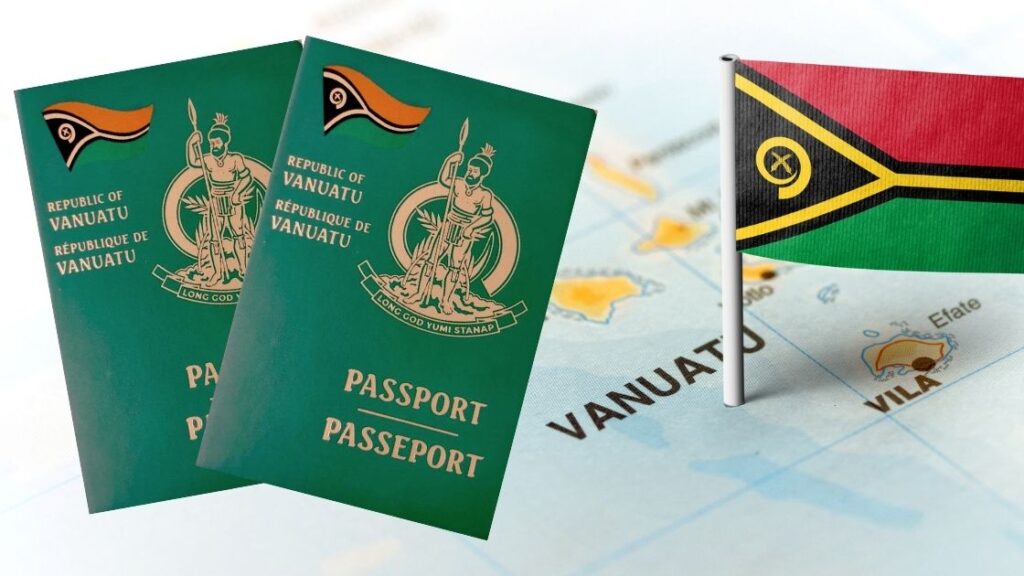
Understanding Vanuatu Fees in 2026: A Comprehensive Guide
Vanuatu, an archipelago in the South Pacific, is known for its stunning landscapes, welcoming culture, and attractive investment opportunities. One of the most significant aspects for potential investors, expatriates, or anyone considering a move to Vanuatu revolves around the various fees that may be incurred. In this guide, we will explore a comprehensive overview of Vanuatu’s fees for 2026, outlining everything from citizenship and residency to property and business-related costs. For more detailed insights, refer to vanuatu fees 2026 vanuatupassportprice.eu.com.

The Citizenship by Investment Program
Vanuatu has garnered global attention with its Citizenship by Investment (CBI) program, allowing investors to acquire citizenship quickly through financial contributions. The Vanuatu government’s initiative aims to promote economic activity, and as such, various fees are involved in the process.
As of 2026, the minimum investment required for the CBI program remains around $130,000 for a single applicant. However, additional costs may arise, including government fees, due diligence fees, and legal service fees. It’s crucial to understand that these costs can vary depending on the number of dependents and specific circumstances of the application.
Government Fees
Government fees comprise a significant portion of the total costs involved in obtaining citizenship. The following are some of the expected government fees in 2026:
- Single applicant: $130,000 (minimum investment)
- Additional fees for spouse: $15,000
- Additional fees for children under 18: $10,000 each
- Due diligence fee: Approximately $5,000 – $10,000 per applicant
- Legal service fees: Vary based on the service provider but can range from $5,000 to $15,000 or more.
Residency Requirements and Fees
Besides the CBI program, Vanuatu offers other routes for obtaining residency, including business and work permits. If you’re looking to establish a business in Vanuatu, there are specific residency requirements and associated fees to be aware of.
Depending on the type of business and its setup, fees can range significantly. For example, a business license can cost between $1,000 and $5,000, depending on the nature of the business. Annual renewal fees may also apply. Work permits for expatriates usually come with a fee ranging from $200 to $1,000, depending on the role and the length of stay.
Property Ownership Fees
For those looking to buy property in Vanuatu, there are several fees that potential property owners should consider. While Vanuatu provides a welcoming environment for foreign investors, it’s essential to keep in mind that property ownership is subject to certain regulations and costs.
The fees associated with real estate transactions include:
- Stamp duty: Generally about 5% of the property’s market value.
- Legal fees for property transfer: Usually around 1-2% of the property value.
- Survey costs: Can vary but typically fall between $500 and $1,500.
- Land registration fees: Approximately $100 to $300, depending on the complexity of the title.
Inspections and Additional Costs
When purchasing property, potential buyers should also factor in costs associated with property inspections, insurance, and ongoing maintenance. A comprehensive property inspection can range from $300 to $1,000, depending on the property’s size and specific concerns.
Insurance is another necessary expense to ensure your investment is protected. With rising global climate issues, insuring your property against natural disasters common in the Pacific region is crucial. Property insurance costs can vary widely but may average around $1,000 annually, depending on the property’s value and coverage level.
Taxation and Other Financial Obligations
An essential aspect of understanding Vanuatu’s fees in 2026 includes the taxation landscape. One of the appealing factors of settling in Vanuatu is the absence of income tax for residents. However, there are indirect taxes such as Value Added Tax (VAT), which stands at 15%.
Besides VAT, there are also taxes related to property rentals and capital gains depending on the nature of the income. Investors should be aware that while Vanuatu is known for its tax benefits, it’s vital to stay informed about any changes in regulations.
Conclusion
In summary, while Vanuatu offers impressive benefits for those interested in citizenship, investment, or property ownership, understanding the costs involved is crucial for potential applicants. With fees ranging from investment contributions and government fees to property ownership costs and taxation, a comprehensive financial plan is essential. Whether through the citizenship program or establishing residency, being informed can lead to a successful and fulfilling experience in this beautiful archipelago. Always consider engaging with reliable local sources or professionals to ensure you receive the most accurate and up-to-date information.