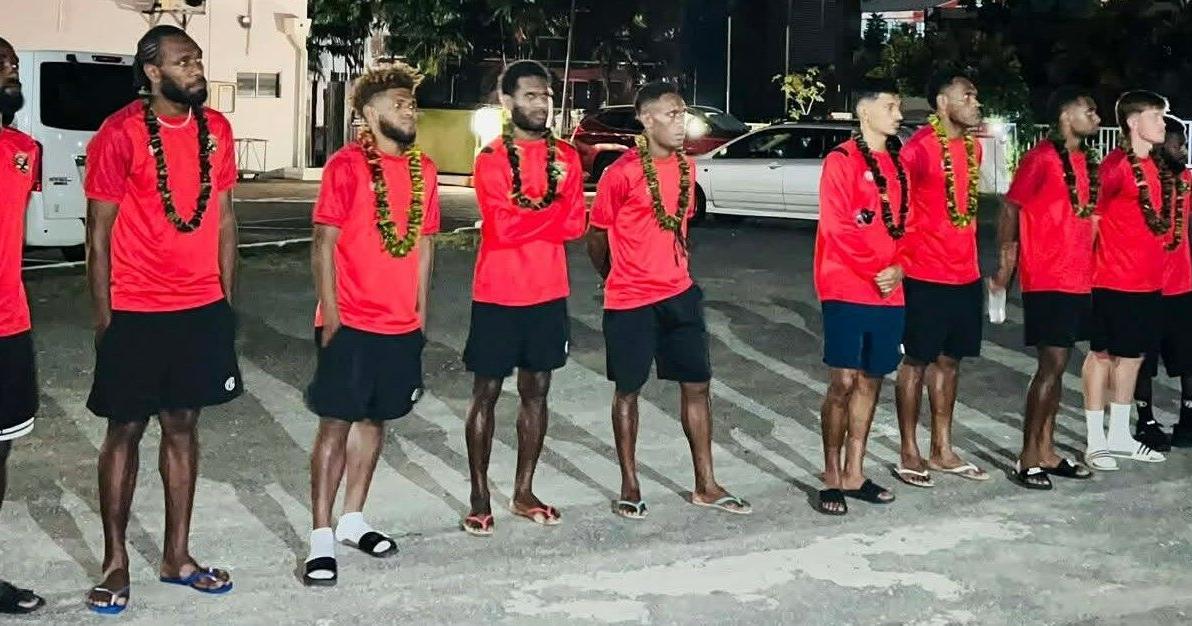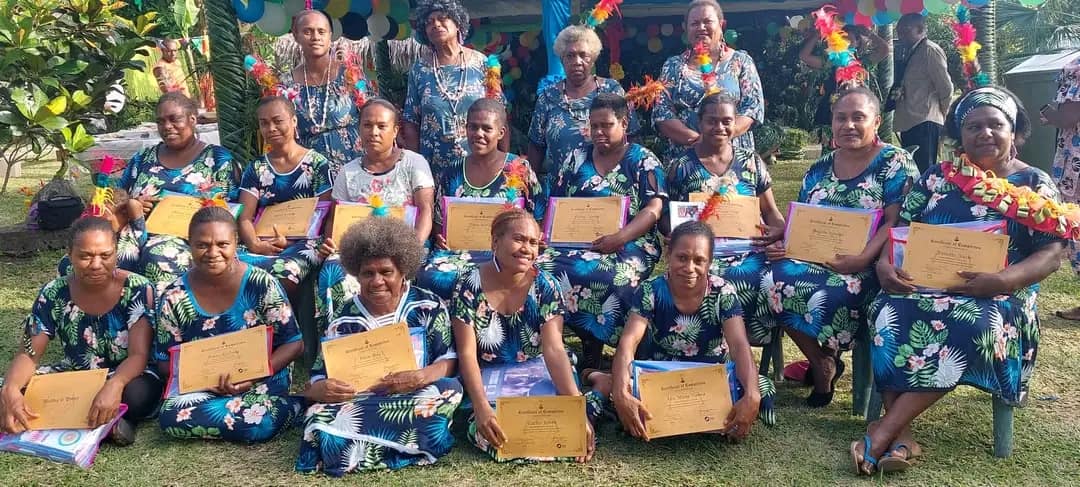
The Vanuatu Community: Culture, Tradition, and Resilience
Vanuatu, a stunning archipelago located in the South Pacific, boasts a rich tapestry of culture and community life that has evolved over thousands of years. With more than 80 islands, each home to diverse linguistic and cultural traditions, Vanuatu offers a unique insight into the ways of life of its people. Visit the website to delve deeper into the community’s stories and experiences: vanuatu community visit website. The resilience and adaptability of the Vanuatu community highlight their ability to thrive amidst changing circumstances, making their culture a vibrant tapestry woven from the threads of history, nature, and human spirit.
A Historical Overview of Vanuatu’s Community
The history of Vanuatu’s community is as complicated as its geography. Originating from the Melanesian culture, the people of Vanuatu have their roots in ancient traditions and practices. The arrival of European colonialists in the 18th and 19th centuries brought significant changes to the islands, impacting local governance, social structures, and religious beliefs. However, the fundamental essence of Vanuatu’s culture remained intact, preserved through oral traditions, rituals, and community practices.
Language and Communication
One of the most striking features of Vanuatu is its linguistic diversity. With over 100 distinct languages spoken across the islands, Vanuatu has one of the highest language densities in the world. Bislama, an English-based creole, serves as a common language among the diverse inhabitants, facilitating communication and cultural exchange. However, each island community maintains its unique languages and dialects, illustrating the richness of their heritage.
Traditional Practices and Community Life
Family and community are at the heart of Vanuatu culture. Traditional practices dictate social organization, with kinship ties playing a crucial role in community interactions. Festivals, communal gatherings, and rituals are integral to the social fabric, reinforcing bonds and shared identities. Ceremonies such as the “Nakamal” gatherings are vital for discussing community issues, celebrating significant life events, and reinforcing cultural heritage.
Arts and Craftsmanship
The artistic expression of Vanuatu’s community is vivid and multifaceted. From intricate carvings and weavings to vibrant traditional dances, these art forms are not mere aesthetics; they are expressions of identity and cultural values. The “Tam Tam” or wooden slit drums are significant not only in musical tradition but also in communicating messages across communities. Each artistic creation often tells a story, reflecting the relationship between people, nature, and the spiritual world.
The Role of Christianity
Since the introduction of Christianity in the 19th century, it has played an essential role in shaping the social landscape of Vanuatu. Many community practices now coexist with Christian beliefs, resulting in a unique blend of spirituality that influences daily life, celebrations, and even the arts. Church gatherings often serve as community focal points, allowing for both spiritual connection and social interaction.
Challenges and Resilience
Despite its rich cultural heritage, the Vanuatu community faces numerous challenges, including climate change, economic instability, and social issues. As a nation highly vulnerable to natural disasters, particularly cyclones and rising sea levels, the people of Vanuatu demonstrate remarkable resilience. Community-led initiatives aimed at disaster preparedness and sustainable development illustrate their commitment to preserving their culture and way of life amid environmental changes.
The Role of Government and NGOs
The government of Vanuatu and various non-governmental organizations (NGOs) play pivotal roles in supporting community development, education, and health services across the islands. Programs aimed at enhancing literacy, vocational training, and healthcare access are essential for empowering local communities and ensuring their cultural survival. The collaboration between the government, NGOs, and local communities reflects a shared goal of sustainable development that honors traditional practices while embracing modernity.
The Future of Vanuatu’s Community
As Vanuatu moves forward, the emphasis on cultural preservation and economic growth remains paramount. The infusion of tourism, which showcases the beauty of Vanuatu’s landscapes and rich cultural practices, has the potential to empower communities economically while also promoting a deeper understanding of their heritage. Sustainable tourism initiatives that benefit local populations and mitigate environmental impact are critical for ensuring that Vanuatu’s culture thrives for future generations.
Conclusion
The Vanuatu community is a vibrant mosaic of culture, traditions, and resilience. The interplay of history, language, religion, and art shapes a unique identity that has withstood the test of time and challenges. As the world changes, the community of Vanuatu stands firm, rooted in their traditions while navigating the path toward a sustainable future. By valuing and supporting their cultural heritage, visitors can play a role in preserving this extraordinary community for years to come.