Free to play casino games are commonly advertised as a no-risk way to play slots, blackjack, and roulette without spending a cent. They are featured on nearly all online casino homepage, including Betalright Casino, offering the same thrills and features seen in real-money versions. However, the truth about these games is more complex. They serve as powerful marketing tools, shape player expectations, and can affect the decision to deposit. Comprehending their mechanics, psychological design, and the fine print of related bonuses aids Dutch players handle the landscape wisely.
The Psychological Mechanics Behind Demo Mode Design
Demo mode games don’t always represent a perfect mirror of real-money play. Some developers optimize the demo experience to increase player engagement. For instance, hit frequencies might be slightly boosted, or near-miss scenarios might occur more often, creating a false sense of almost winning. This phenomenon, known as the ‘demo mode effect,’ can create the impression that a game is more generous than it truly is. While reputable software providers like NetEnt and Microgaming typically use the same random number generator for both modes, subtle differences in presentation can still influence perception.
At Betalright Casino, the demo games are obtained from leading, certified studios that comply with fair play standards. The theoretical return-to-player (RTP) values are typically identical to the real-money versions. However, the absence of real financial risk alters the emotional experience. Players may take bigger virtual bets, chase losses more aggressively, and develop unrealistic expectations. Understanding these psychological factors enables individuals keep a balanced perspective when they eventually transition to real money. The key is to treating demo mode as a learning tool, rather than a prediction of future outcomes.
Another subtle design element involves the visual and auditory feedback loops integrated into demo games. Celebratory animations, cascading coin sounds, and dramatic near-miss sequences are all calibrated to maximize dopamine release, even when the player is burning through virtual credits. Over time, this conditioning can forge a powerful association between the game’s sensory cues and feelings of excitement, turning the transition to real-money play feel almost inevitable. Recognizing these triggers permits players to consciously separate the entertainment value from the underlying behavioral engineering.
Understanding Free-to-Play Casino Games and Their Objective
Free-to-play casino games are demo versions of real-money titles that use virtual credits rather than cash. Players can spin slot reels, make wagers at roulette tables, or engage in blackjack hands without any financial commitment. The primary purpose is fun and learning: new players can grasp the rules, try strategies, and discover various game mechanics without pressure. For veteran gamblers, demos offer a method to check out new releases or assess a slot’s volatility before wagering real money. Betalright Casino offers a large selection of these demos across its game library.
From the operator’s perspective, free play is a strategic customer tool. It lowers the barrier to entry, allowing potential customers to experience the platform’s interface, speed, and game variety firsthand. Casinos rely on the psychological principle that fun in demo mode will eventually lead to a real-money deposit. This double purpose means that while the games are truly free, they are built to be engaging enough to convert visitors into paying players. Dutch players should recognize this commercial intent while appreciating the no-cost entertainment.
Beyond single player benefits, free-to-play games serve as a critical testing ground for software developers. Studios use aggregated demo play data to pinpoint which features resonate most, how long standard sessions last, and where players usually disengage. This feedback loop directly impacts the design of future real-money releases, meaning the free games shape the entire industry. The line between a innocuous demo and a complex marketing funnel is purposely blurred, making understanding essential for anyone who invests significant time in these environments.
Real-Money Gambling Versus Free-to-Play: How It Differs
The biggest difference between free-to-play and real-money gambling is the presence of financial risk and reward. In demo mode, any win is purely cosmetic; virtual credits cannot be withdrawn or converted to cash. When players switch to real mode, the stakes become tangible. Every spin or hand affects the actual bankroll, and the thrill of a win is accompanied by the real possibility of a loss. This shift demands a different mindset: bankroll management, loss limits, and session duration become critical factors that do not exist in free play.
Betalright Casino provides a seamless transition for those who decide to play for real. The same games, graphics, and features are available in both modes, so the only addition is the financial side. However, the platform also offers responsible gaming tools such as deposit limits, reality checks, and self-exclusion options. These tools are vital because real-money play’s psychological impact can be intense. Dutch players should approach the change gradually, starting with small deposits and avoiding the temptation to replicate the aggressive betting patterns often practiced in demo mode.
Another critical shift involves the concept of time perception. In free play, sessions can stretch for hours without consequence, fostering habits of extended, uninterrupted gambling. When real money enters the equation, that same time investment carries https://www.parool.nl/nieuws/loterij-winnen-de-geluksmakelaars-zitten-in-osdorp~bf934c18/ a direct financial cost, and the fatigue from long sessions leads to poorer decision-making. Successful real-money players learn to set strict time boundaries, something rarely practiced in demo mode. The discipline required is a skill that must be actively developed, not inherited from free-play experience.
Dotazy
Jsou free-to-play kasinové hry skutečně totožné s módem s reálné peníze?
U mnoha důvěryhodných herních domů jako Betalright zůstávají základní algoritmus a RTP stejné v všech módech. Nicméně psychologický pocit se mění výrazně, jelikož nehrozí reálné nasazení reálných peněz. Někteří hazardérů tvrdí, že bezplatné hry nabízejí časté výhry, ale to je často percepční zkreslení způsobené chyběním peněžního stresu. Certifikovaná kasinová společnosti procházejí pravidelným auditům, které potvrzují numerickou shodu mezi zkušebními a verzemi za reálné peníze.
Lze získat reálné peníze z bezplatných kasinových her?
V žádném případě, bezplatné hry používají fiktivními body, jež nemají žádnou měnovou protihodnotu a nejsou převedeny za hotovost betalright.com.nl. Jakékoli zisky dosažené v bezplatném módu zůstávají jen symbolické. Pro hazardéři vyhráli reálné peníze, potřebují přejít na režim s reálné peníze a vložit depozit. Některé promoakcí bez vkladu nabízí šanci k skutečným výhrám aniž by prvního depozitu, ale tyto jsou s podmínkami na protočení a podmínkami čerpání, které je nutné dodržet před dojde k vybrání.
Proč online kasina nabízejí bezplatné hry, pokud nepřinášejí přímý výnos?
Complimentary games act as powerful promotional and customer-attraction instruments. They enable potential customers to try the system without dedication, building familiarization and reliance. The enjoyment level generates positive connections with the brand, and the inherent urge to experience real wins finally encourages many participants to deposit. Additionally, free play yields important user data that aids providers comprehend player preferences and improve their game libraries for maximum interaction.
Are free spins deals have undisclosed stipulations I should be aware of?
Yes, free spins almost always come with terms and conditions that significantly affect their worth. Common constraints encompass wagering conditions on winnings, maximum cashout limits, game suitability rules, and deadline times. For example, gains from free spins could must be bet 35 occasions before withdrawal, and the top redeemable amount might be limited at 100 euros. Always check the full bonus terms before taking any free spins offer.
Is it possible to develop a gambling problem from free-to-play games alone?
Even though free-to-play games do not involve financial loss, they can still contribute to problematic gambling behaviors. The engaging design, rewarding sound effects, and near-miss mechanics can foster psychological dependency patterns. Extended demo play can make commonplace long gambling sessions and numb players to risk, making the transition to real-money play more plausible. Responsible players set time limits even during free sessions and remain conscious of their engagement levels.
In what ways can I use free play mode to enhance my real-money strategy?
Free play mode is an ideal environment for grasping game rules, trying betting systems, and recognizing volatility patterns without financial pressure. Players can test with different bet sizes, observe how bonus features trigger, and cultivate a feel for a game’s rhythm. However, the emotional discipline required for real-money play cannot be replicated in demo mode. Use free play for technical learning, but establish bankroll management and loss tolerance apart when transitioning to real stakes.
Mindful Play and the Limits of No-Cost Models
No-cost casino games are often framed as a mindful play tool, enabling players to experience gambling-like entertainment without monetary harm. This perspective has validity: for individuals who simply appreciate the mechanics and design of slots, demo mode provides endless fun at zero cost. However, the argument has a major blind spot. The habitual conditioning built in these games can make routine gambling actions and habituate players to risk, possibly accelerating the path toward real-money play rather than serving as a substitute for it.
Betalright Casino combines its free-play offerings within a broader safe gambling framework that includes mandatory reality checks, deposit limit tools, and direct links to Dutch addiction support services. The platform motivates players to view demo mode as a provisional learning environment, not a long-term option to real gambling. Setting personal boundaries even during free play, such as time limits and session goals, assists maintain a healthy connection with the activity. The lack of financial risk does not erase the likelihood for problematic involvement patterns.
Research into gambling behavior consistently shows that the transition from free to paid play is a crucial inflection point. Players who have spent extensive time in demo mode often overvalue their skill and undervalue the emotional impact of real losses. Responsible operators tackle this by supplying clear data about the variations between modes and by not intensely pushing demo players toward deposit prompts. Dutch regulators more and more inspect how free-play games are promoted, understanding that the line between harmless fun and predatory design can become perilously thin without proper oversight.
The Role of Volatility and RTP in Practice Mode
Slot volatility and RTP percentages are fundamental concepts that free-play mode can help explain, though with notable exceptions. Volatility defines the risk level of a slot: low-volatility games pay common but modest prizes, while high-variance games deliver occasional but big prizes. In practice mode, a player can try hundreds of times and witness these patterns personally, building an instinctive grasp of how a game operates over extended sessions. This real-world training is extremely valuable for making smart real-money selections later.
RTP, shown as a percentage, represents the expected long-term return of a game. A slot with an RTP of 96 percent is built to give back 96 euros for every 100 euros wagered over many spins. While practice mode uses the identical mathematical system as real-money play, the immediate variation can be significant. A player might see a return of 200 percent over a hundred free spins and wrongly assume the game is loose. Betalright Casino shows RTP information for numerous games, encouraging players to utilize practice mode as a learning tool rather than a guessing mechanism.
Understanding the relationship between volatility and RTP is vital for bankroll planning. A high-variance game with a RTP of 96 percent can deplete a modest bankroll fast during a losing period, even though the long-term calculation is fair. Demo mode allows players to test different wagering approaches and see how their practice balance responds to long losing runs. This form of endurance testing builds realistic expectations that protect against the shock of real-cash fluctuation, making it among the most useful uses of free play accessible to Dutch players.
How Free Spins and No-Deposit Offers Span the Gap
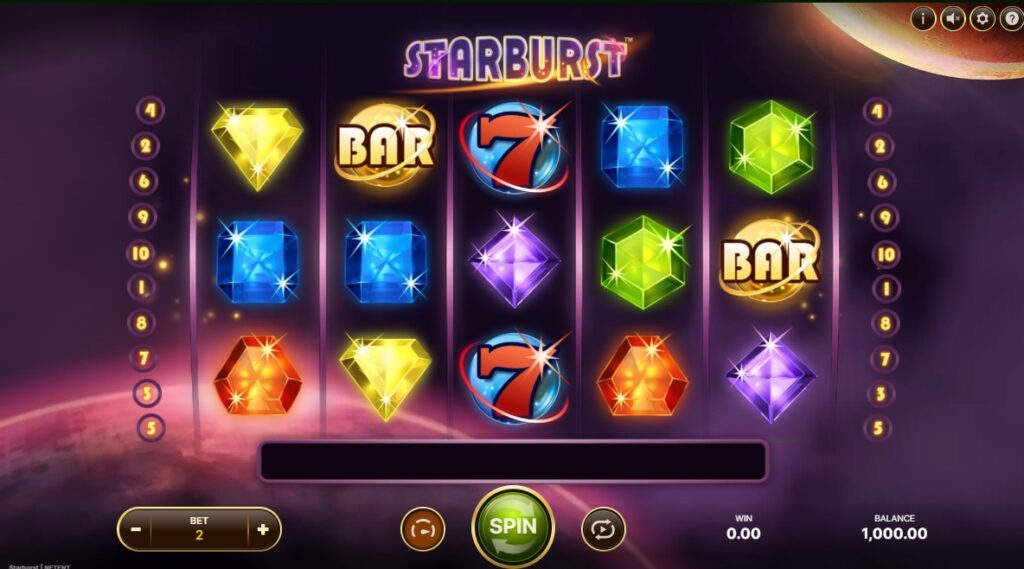
Free spins and no-deposit bonuses fill a balance between pure demo play and real-money gambling. A common free spins offer offers players a certain number of spins on a particular slot, with any winnings awarded as bonus money subject to wagering requirements. For example, a promotion might give 20 free spins on Starburst, with a 35x wagering requirement and a maximum withdrawal cap. At Betalright Casino, these promotions are carefully structured to provide a genuine taste of real-money play while protecting the operator from excessive liability.
No-deposit bonuses work similarly, offering a small cash bonus simply for creating an account. The player can then try a larger range of games with real money at stake, albeit under stringent terms and conditions. Wagering requirements, game weighting percentages, and time limits all determine the actual value of these offers. A 10 euro no-deposit bonus with a 40x wagering requirement means the player must wager 400 euros before any withdrawal is possible. Understanding these mechanics prevents disappointment and helps players find genuinely valuable promotions.
The strategic brilliance of these bridge offers rests in their ability to present real financial stakes while maintaining the illusion of risk-free exploration. Players experience the genuine adrenaline of a real-money win, including the possibility of actual withdrawal, which produces a far stronger conversion incentive than any demo mode could accomplish. However, the fine print often contains maximum cashout limits that https://www.ad.nl/buitenland/amerikaan-wint-jackpot-van-ruim-1-1-miljard-euro~aaa97aef/ cap winnings at relatively modest amounts, making sure the casino’s promotional budget remains regulated while still providing an authentic gambling experience.